Recollections of my father
The life of Colin Turner 1914-1976
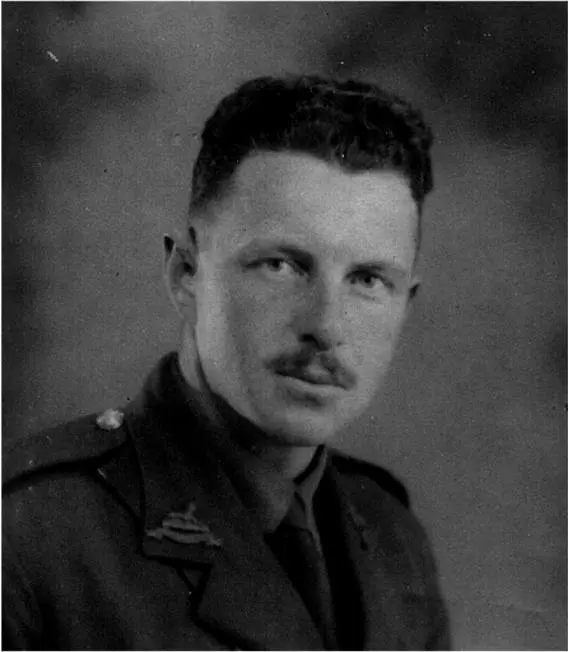
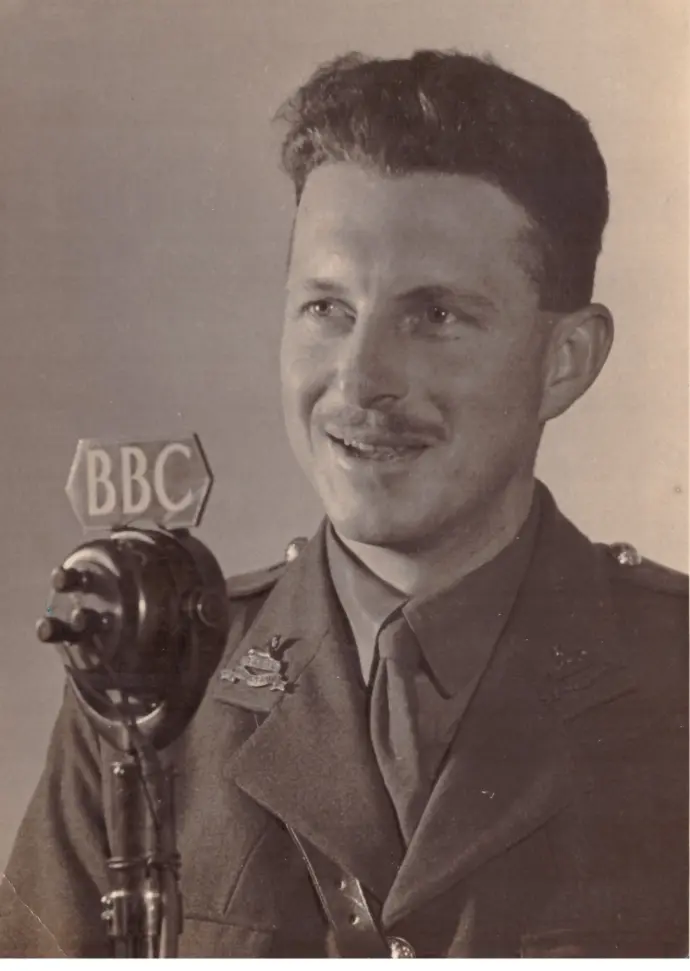
My dad, Colin Turner, died suddenly from a heart attack at work in Bulawayo on Wednesday 16 June 1976 at the age of 62.
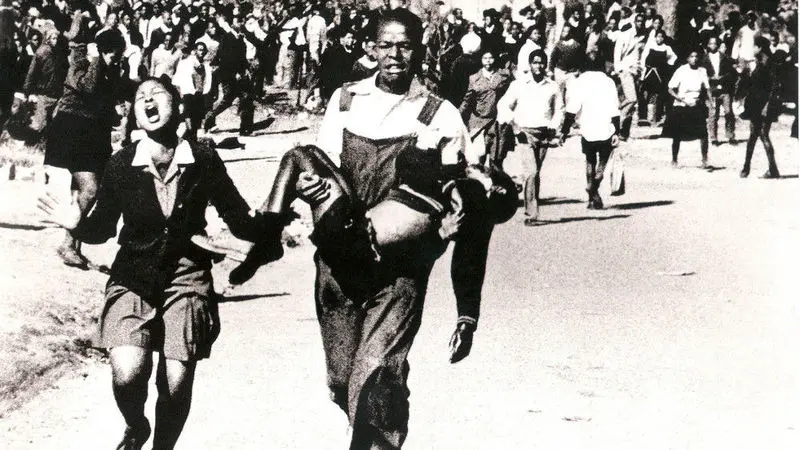
Most South Africans will know the significance of the date. I have often wondered whether there was a link between the terrible events in Soweto, and my dad’s heart attack.
Dad was a Civil Servant working in Local Government. He was the Superintendent of Luveve Township in Bulawayo. His duties were a blend of administration and welfare. His whole working life had been centred around welfare of the African population. He spoke Shona and Ndebele fluently and was liked and revered by everyone. He disliked the administrative duties but loved the planting of trees and development of amenities. I was thrilled to discover on Google Maps that the stadium/football field and Olympic sized swimming pool that he planned and had built is still in existence.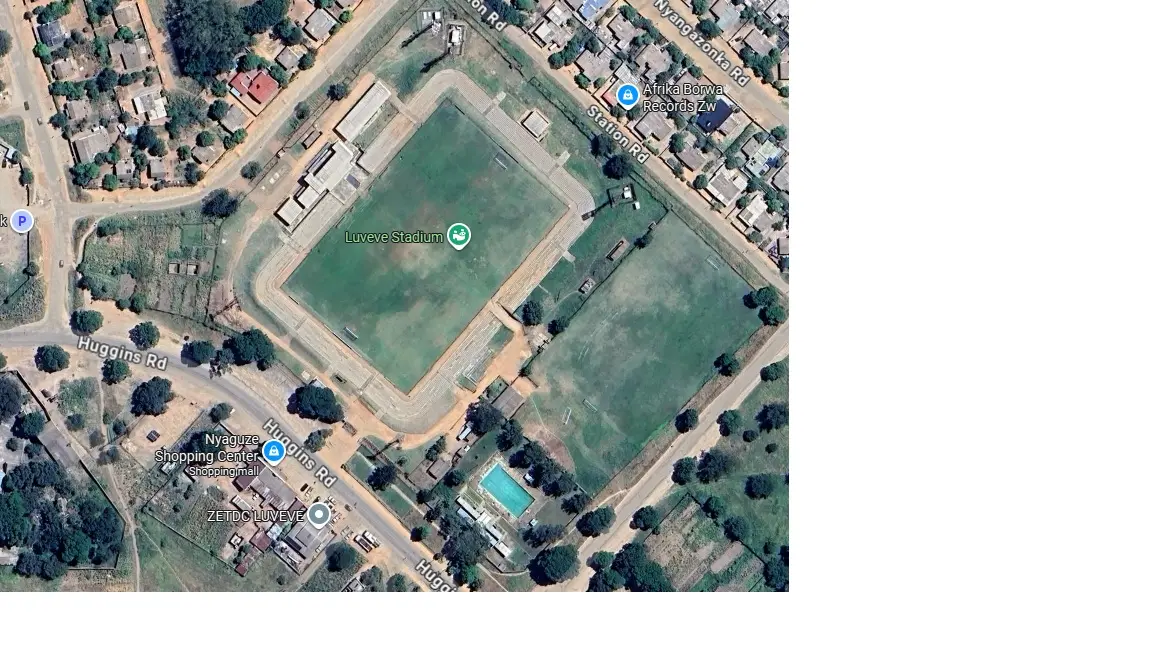
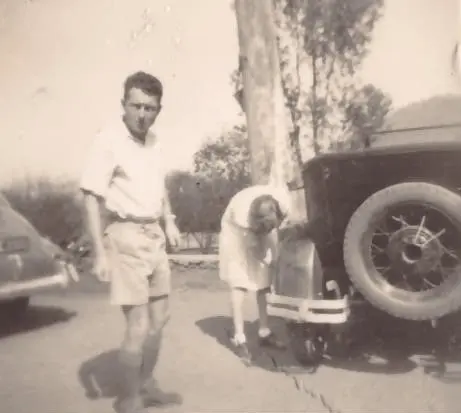
Dad was a strong man, slow to anger, but his voice was quietly authoratative and he had a quick and ready sense of humour with a gentle charm and outgoing manner. He never called me by name but often called me 'chap'. He did his best to ensure that we had every comfort we needed and would often do without. His clothes were darned and repaired many times. The only material possession he treasured was his car. We used to go to town just to look at cars and he traded in for new cars every time. He would clean and polish the cars until they shone and took great pride in how clean the engine was. He never did any mechanical work on the cars. He had a passion for Vauxhall cars.
I did not see him much once I went to University and I had very little time to get to know him as an adult - there is so much I regret in not asking him more about his life and feelings.
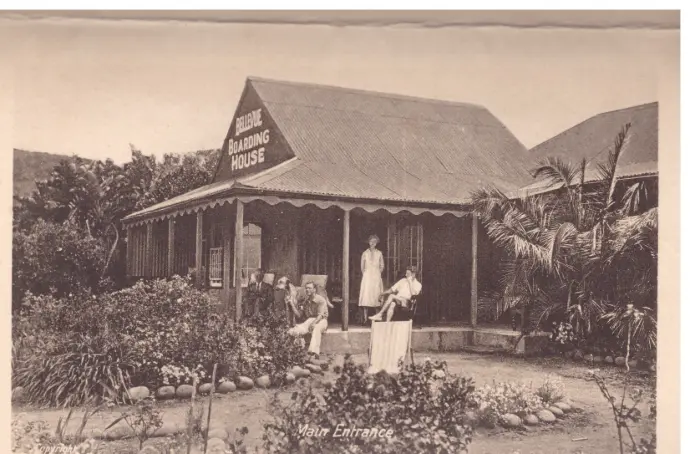
Birth Place - Port St Johns
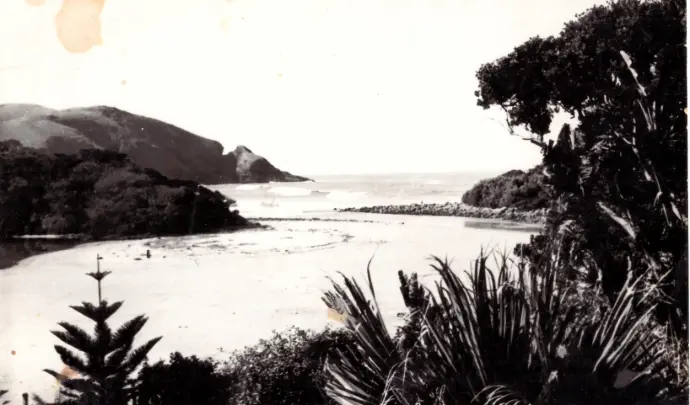
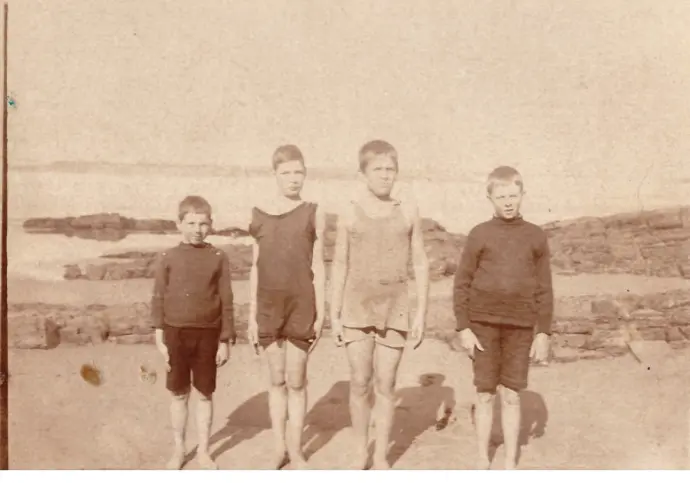
Birthplace My father, Hendry Colin Turner, was born in the small coastal town of Port St Johns, South Africa, on 19th May 1914. He was the youngest of four sons born to Frederick and Catherine Turner who ran a small hotel called Bellevue on the hills above Second Beach.
It was an idyllic place to grow up for a young boy. He spent all his spare time playing on the beach and the lagoon close by with Pondo friends to play with. His two eldest brothers were 7 and 9 years older so Colin probably spent most time with his brother Sidney. They had canoes built from roof sheeting and were expert body surfers. Second Beach was safe for bathing but many big sharks were caught from the rocks bordering the bay.
Escape from tragedy
Dad was still a baby in his cot when he was saved by his aunt Winifred. The curtain blowing in the wind caught fire on a candle. The ensuing blaze threatened to engulf the room and my aunt threw dad into some bushes outside and barely escaped. My grandmother was caught by the fire and suffered life-long damage from burns to her face.
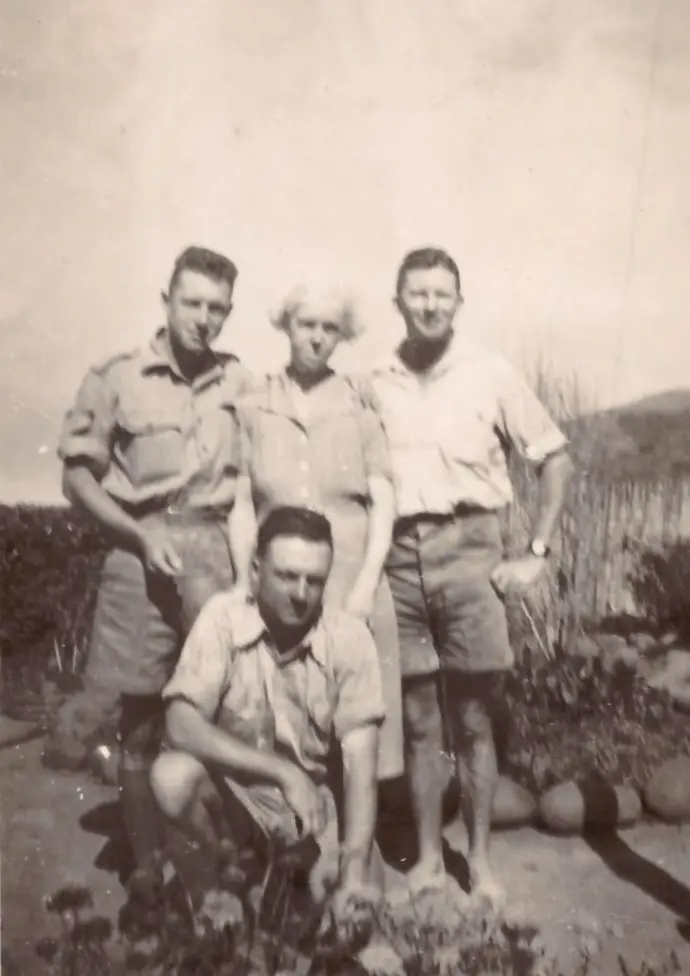
Turner family 1945
Pictured on the hill next to Bellvue, overlooking Second Beach
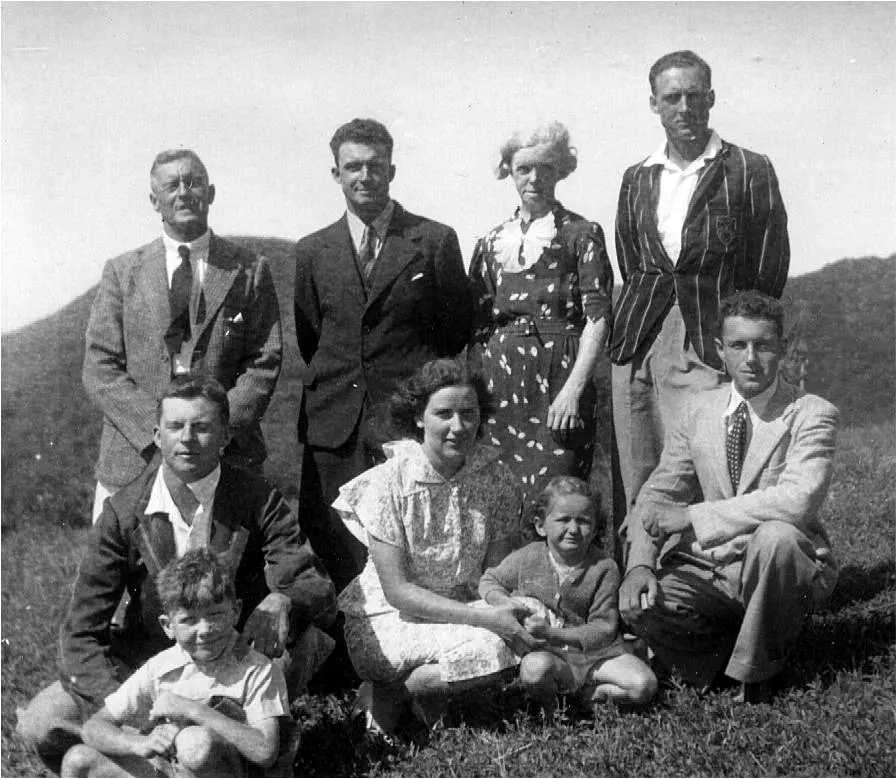
Front Row Sidney Turner, Alice Turner (holding Lyn Turner), Colin Turner (seated in front Colin Turner (Junior)
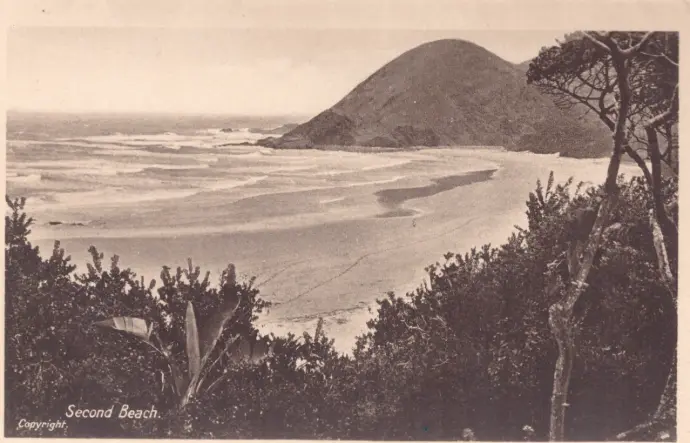
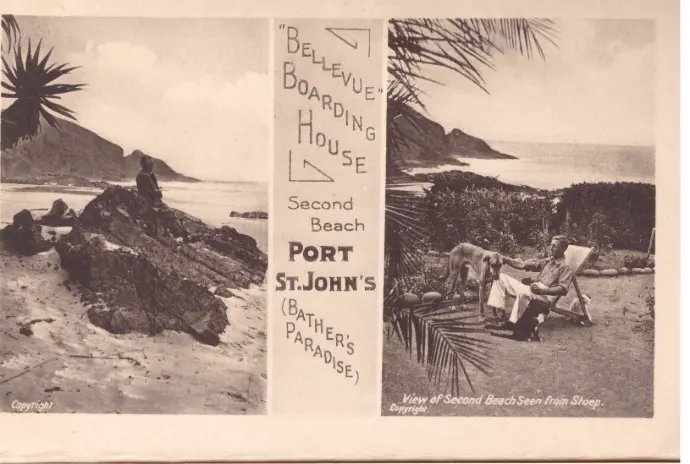
Port St Johns
History of PSJ
Port St Johns is a town located on the Wild Coast of the Eastern Cape province in South Africa. Its history reflects a blend of Indigenous heritage, colonial influences, and modern development.
Long before European colonization, the area was inhabited by the Xhosa people. They lived off the land, utilizing the natural resources of the lush surroundings. The region is noted for its rich cultural heritage and traditions.
In the late 1800s, Port St Johns became a recognized port, mainly due to its strategic location along the coast. The town was founded in 1886 by British colonial settlers. It served as a vital supply station for ships traveling between the Atlantic and Indian Oceans. The establishment of a post office in 1891 marked its significance as a community hub.
The town’s economy has traditionally relied on agriculture, fishing, and logging. In the 20th century, tourism began to play an increasingly important role, as visitors were drawn to its beaches and natural beauty. The pristine environment, including the nearby Umzimvubu River, offers numerous recreational opportunities.
Today, Port St Johns is known for its stunning coastline, rich biodiversity, and cultural significance. It attracts tourists and artists alike, becoming a vibrant centre for those seeking both adventure and relaxation. Conservation efforts are ongoing to preserve its unique ecosystems and promote sustainable tourism.
Port St Johns is a town that encapsulates the history and beauty of the Eastern Cape. Its journey continues to be shaped by its natural landscape and cultural diversity.
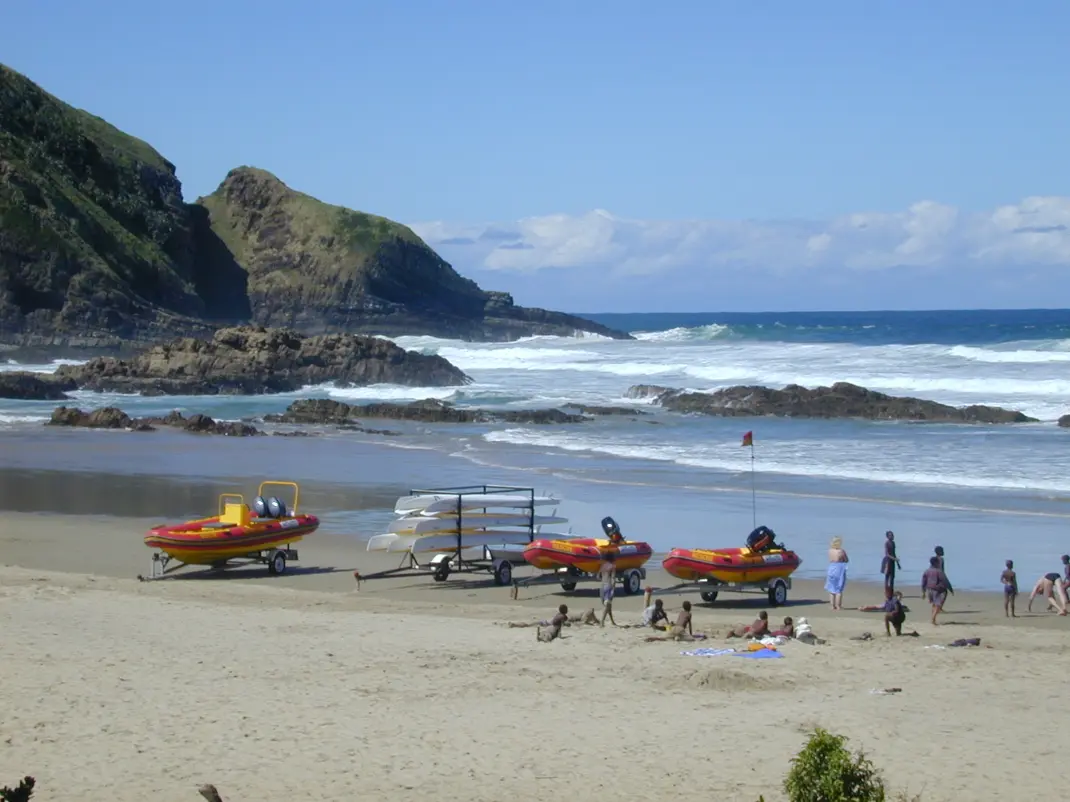
Growing up in paradise
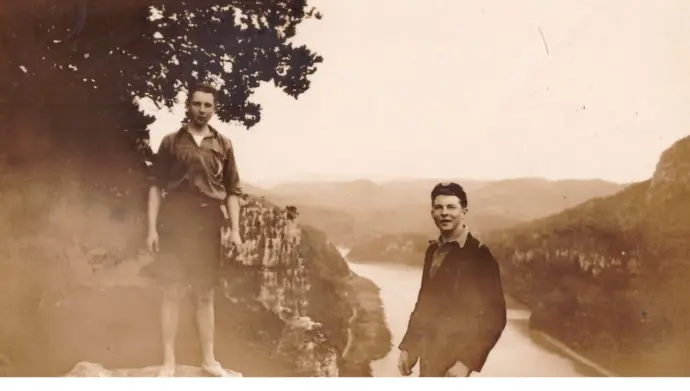
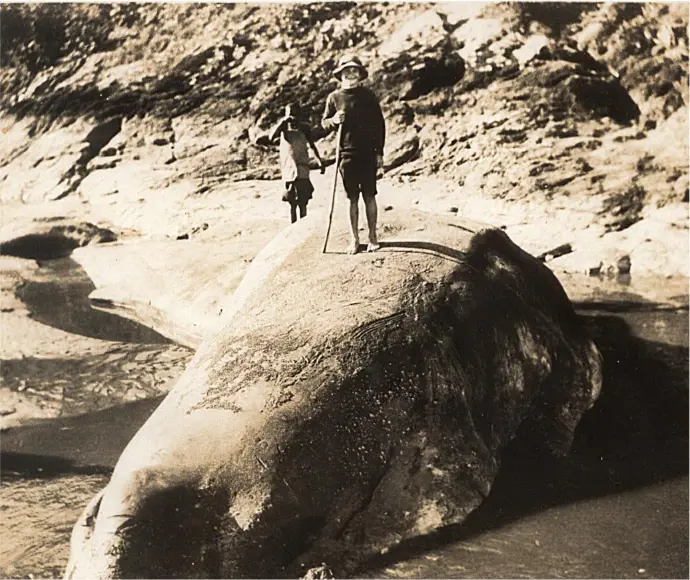
Dad and his brother Sid are standing on the huge cliff face overlooking the mighty Umzimvubu River. Their parents Fred and Cathy probably knew what they were up to!
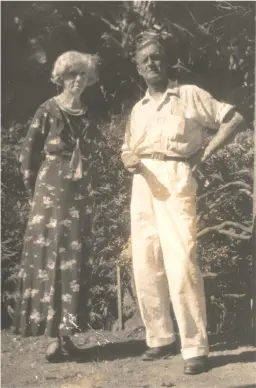
Dale College
Dad had felt very happy walking the 10kms every morning to the village school but as he approached his teens he had to face up to the big move to secondary school. His parents sent the two youngest sons to Dale College, which is a prestigious boys' school located in King William's Town, South Africa. Founded in 1855, it has a long history and is one of the oldest educational institutions in the country.
The two older sons had attended Maritzburg College in Pietermaritzburg. Hugh and Douglas were already working young men and they paid for the school fees at Dale College.
Although he enjoyed school my dad said he longed to get home and used to dream about being on Second Beach. He could draw 'the sleeping dog' - the profile of the Point from memory.
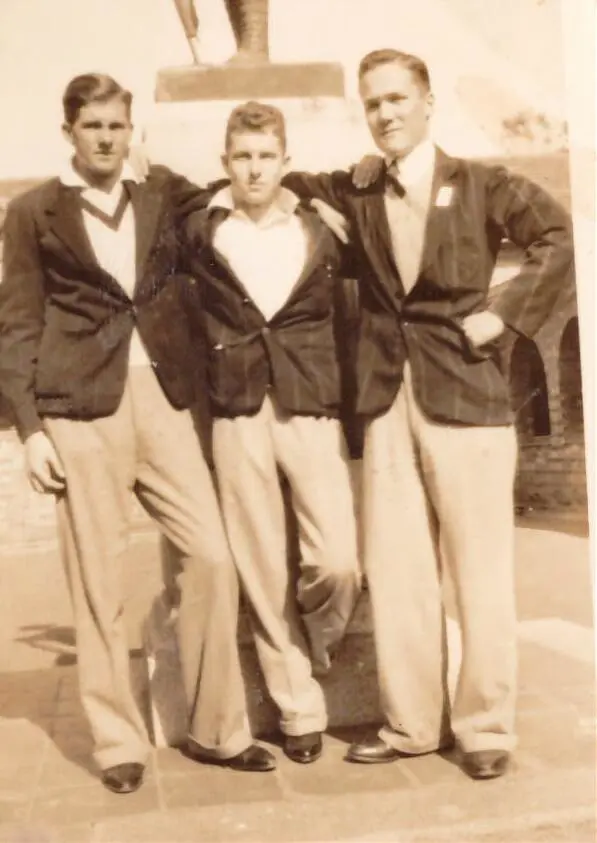
Dale College
Dad was a boarder and enjoyed his time here.
The Great Depression
My dad, bon in 1914, would have been oblivious of all the turmoil in the larger world in. As the approached his teens he would have heard stories of the "War to end all wars" but in the remote village they musty have felt fairly secure. The road to the village had been cut through the winding hills but it was still a dangerous and uncomfortable journey.
During the 1930s, Port St Johns experienced the impact of the Great Depression, much like many communities around the world. The economic downturn, which began in 1929, significantly affected livelihoods and daily life.
Port St Johns was primarily dependent on fishing and agriculture. The collapse of global markets caused a decline in demand for local fish and agricultural products. Many fishermen and farmers struggled to make ends meet, leading to increased poverty in the area.
Infrastructure and development in Port St Johns were limited during the 1930s. The town was isolated, with few roads connecting it to larger urban centres. This geographical remoteness made it difficult for residents to seek opportunities elsewhere.
My dad did not talk much about those times but he does remember that the only food they had were the mielies growing in the garden.
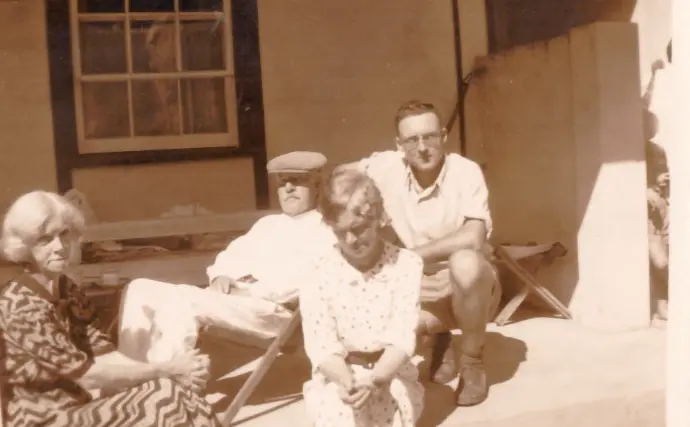
Tobacco Farmer
As he reached his 20's Dad had to decide what to do with his life. University was too expensive to consider so he joined his brother, Hugh, who was living on a farm near Salisbury in Rhodesia. For a couple of years Dad worked for African Explosives as a clerk and became a young man about town.
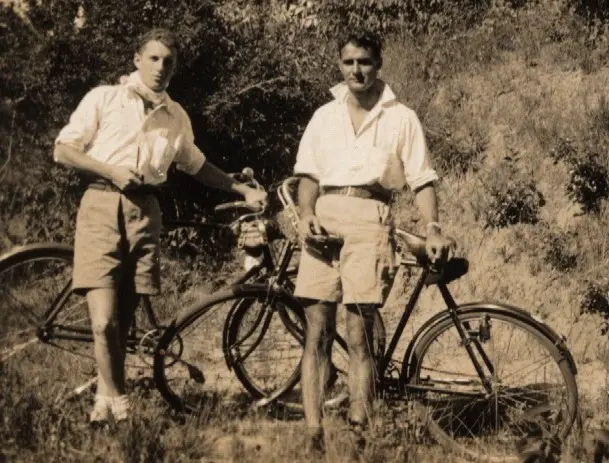
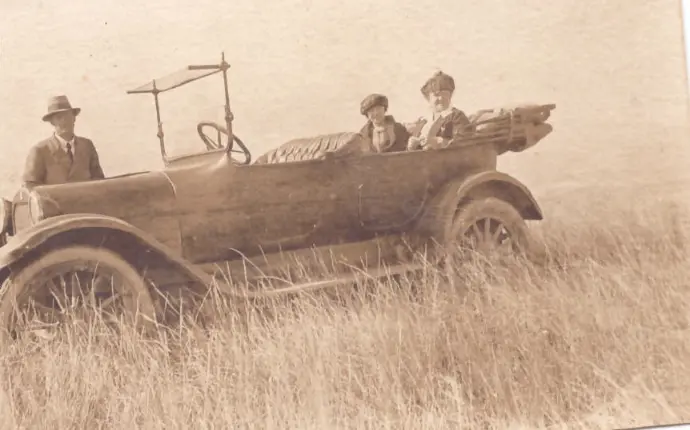
We heard very few stories but he did talk about a picnic which could have ended tragically when a young woman was flung out of the 'dicky seat'.
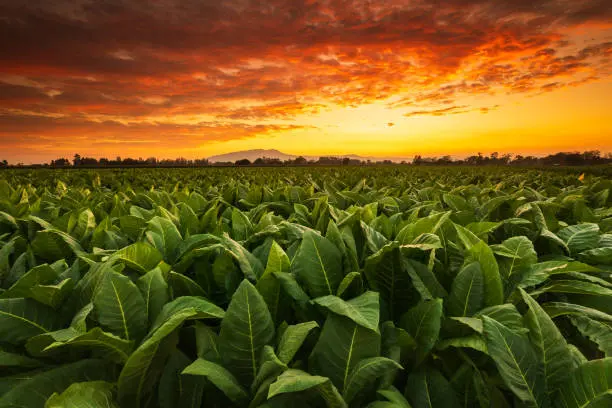
But when Hugh and family moved to a new farm near Umvuma in the Midlands of Rhodesia Dad joined them It was a tobacco farm. Tobacco became a very important and lucrative industry
Rumours of War!
The growing tensions in Europe were keenly followed by everyone in Southern Africa. The English speaking people had strong cultural links to England. Rhodesian schooling system, societal norms and general way of life were strongly rooted in Englishness. Rhodesia in particular, although considered the 'fifth province' of South Africa was very distinct and independent. When the rumbles of war were heard South Africa actually declared war on Germany and there was a strong mobilisation of armed forces.
During World War II, approximately 34,000 South African soldiers lost their lives. South Africa participated extensively in the conflict, contributing both troops and resources to the Allied forces. The majority of the casualties occurred in various campaigns, including those in North Africa and Italy.
There was no conscription and essential services were not disrupted but dad was in the right age group to enlist and he decided to join the Rhodesia Africa Rifles (RAR)
He was sent on officer training course at OCTU in Aldershot
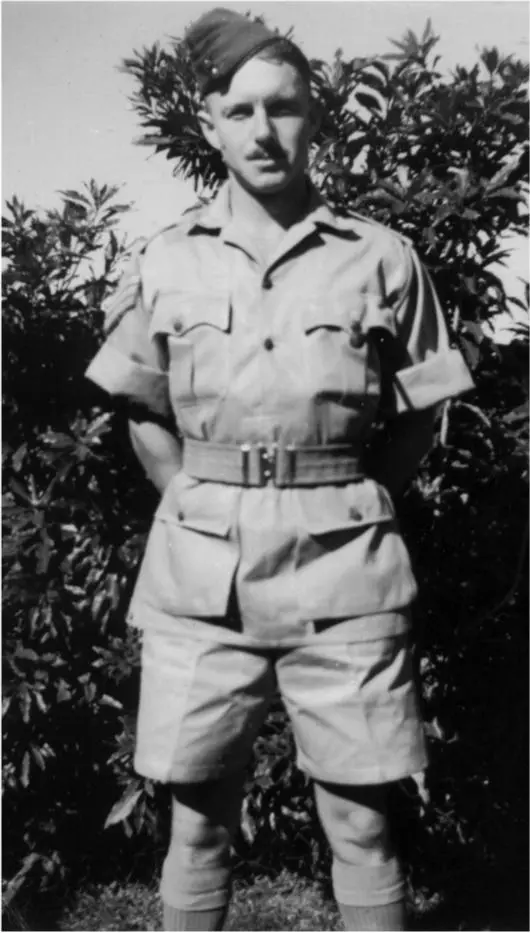
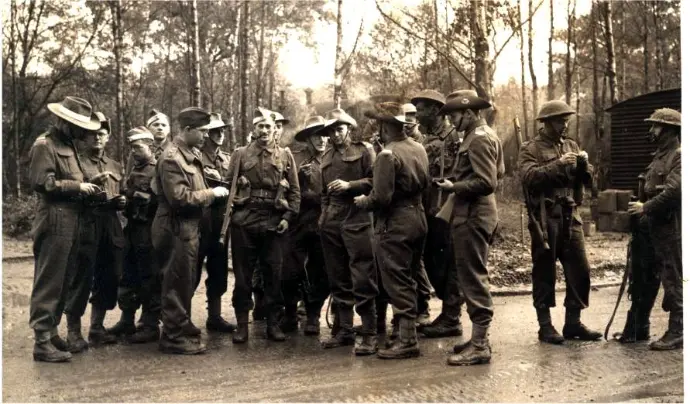
Officer Training at OCTU
The Officer Cadet Training Unit (OCTU) program was a key component of military training during World War II for the British Armed Forces. Initiated to address the urgent need for leaders, OCTUs were established in the early years of the war, particularly from 1940 onwards.
> The program was designed to rapidly train skilled officers to fill the growing demand as the war escalated. Candidates typically consisted of enlisted soldiers who showed potential for leadership. The training was rigorous and aimed to hone both tactical skills and leadership qualities.
Graduates of the OCTU program emerged as second lieutenants, ready to lead troops into combat. .
The war years
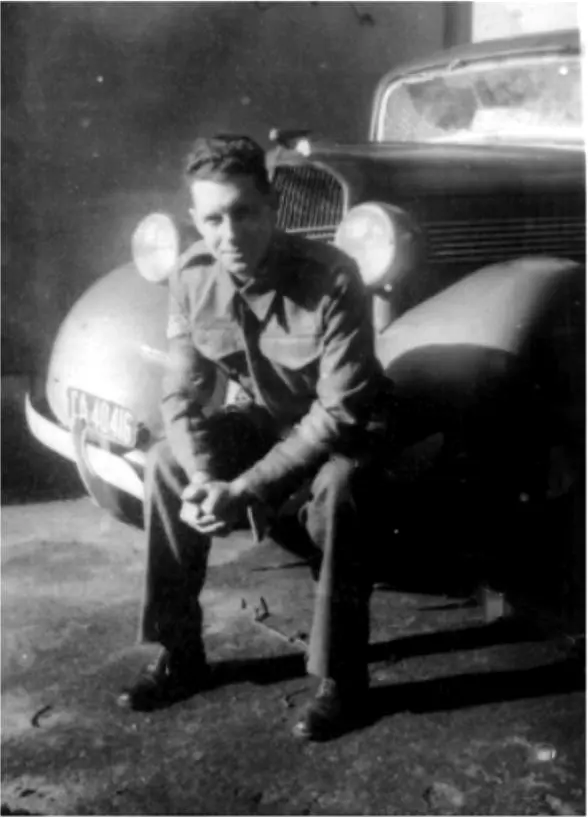
World War II
After his training Dad returned to Salisbury then accompanied his men to the frontline in Burma.
During World War II, Burma (now Myanmar) played a significant role due to its strategic location and resources. The conflict in Burma was primarily influenced by its position between India and Japan, making it a crucial battleground for control in Southeast Asia.
Japanese Invasion
In December 1941, shortly after the attack on Pearl Harbor, Japan launched a rapid invasion of Burma. The Japanese aimed to cut off British supply lines to China and push further into India. By May 1942, they had captured Rangoon (now Yangon), the capital of Burma, and most of the country.
British Response
The British, alongside Indian troops and other allied forces, attempted to defend Burma but faced significant challenges. The lack of preparedness, combined with the effective Japanese military strategies, led to a quick collapse of British defences. After the fall of Rangoon, the Allies retreated into India, marking a significant loss.
In 1944, the Allies launched a counteroffensive to retake Burma. The campaign, known as the "Burma Campaign," involved key battles such as the Battle of Imphal and the Battle of Kohima. These battles were pivotal in turning the tide against Japanese forces.
Like most war veterans Dad did not tell us many any details. At night the Japanese taunted them by calling out 'We going to kill you Yankee'
It is estimated that approximately 3,000 South African soldiers served in the campaign. Out of this number, around 1,800 South African soldiers lost their lives in Burma.
Japanese surrender
When Japan surrendered Dad received from the local Japanese officer a ceremonial sword which was presented to him, as well as the flag. Dad kept the sword without any reverence and used it to trim hedges. Only years later when we did some martial arts did we discover that it is a genuine katana or samurai sword.
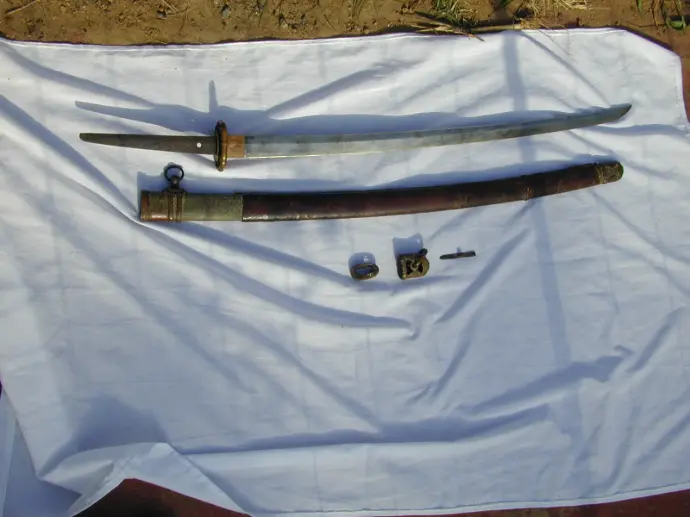
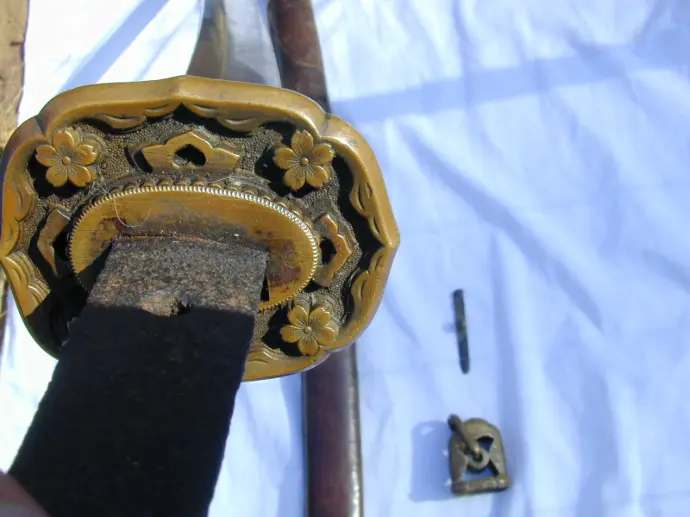
Dad returned to the tobacco farm near Umvuma The farm was called Fairfield and Dad worked long hours. Tobacco is not an easy crop to handle as the plant requires optimum conditions and when it is drying or curing there are critical temperatures and humidity to be controlled.
Dad needed to visit his family in Port St Johns and offered a lift to the hotel manager's wife, Stella, who wanted to see her own family in East London. When they arrived in East London Dad accepted an offer to stay over and there h met this blonde bombshell.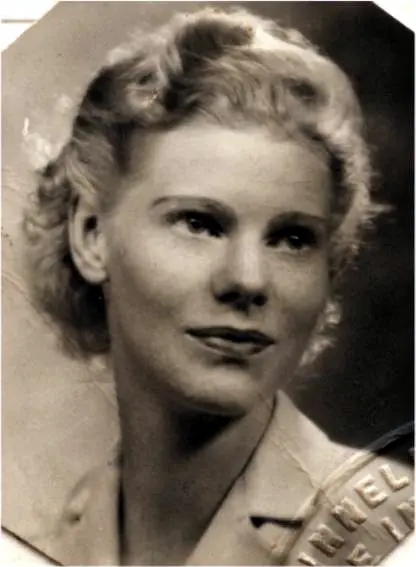
She was Stella's sister, Hillary Fletcher,26 years old. Dad was smitten. Within two weeks he proposed and they married on 21 May 1949.
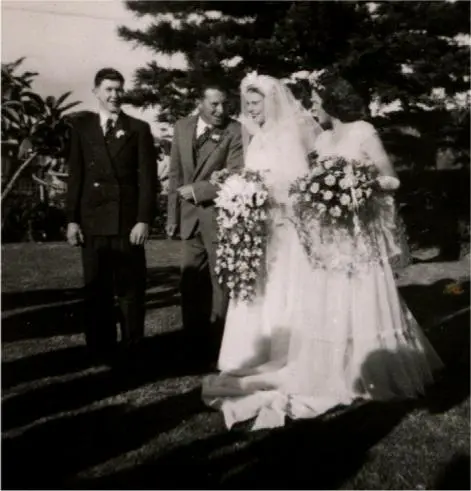
My mother was quite feisty and we heard to amusing story that when they arrived at the farm after a very long drive, Dad leapt out to check on progress in the barn. He completely forgot about his new bride and she refused to open her door herself and waited until he remembered to open her door. She must have relented and I am sure they continued with the honeymoon.
My older brother Walter was born on 1 April 1950 in the nearby town of Gwelo. The little family busied themselves in farm life. I was conceived and my mother was expecting me to appear in July when Walter showed signs that all was not well. Dad somehow organised a mercy flight to Johannesburg in a small plane but on the day of my birth 12 Juy 1951, Walter died in Johannesburg. He had a heart defect and could not be saved. He was only 15 months old. My mother was shattered and my aunt Stella helped to give me extra attention. My cousins Barbi and Gail were my constant playmates in those first years.
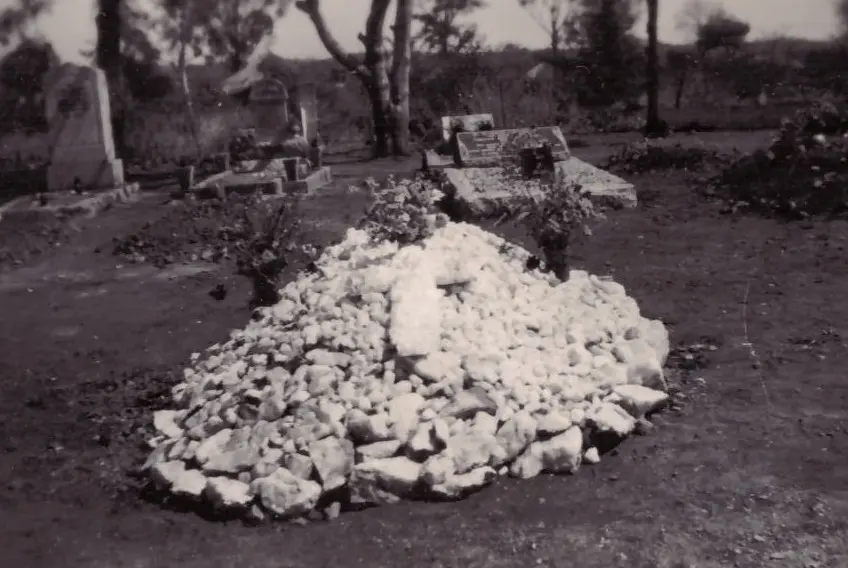
Dad could not afford a tombstone so every year we visited this mound of stone at the Umvuma cemetery.
Fairfield Farm in Umvuma
So I grew up on a farm with a large tobacco shed and long avenue of gum trees leading to the house.
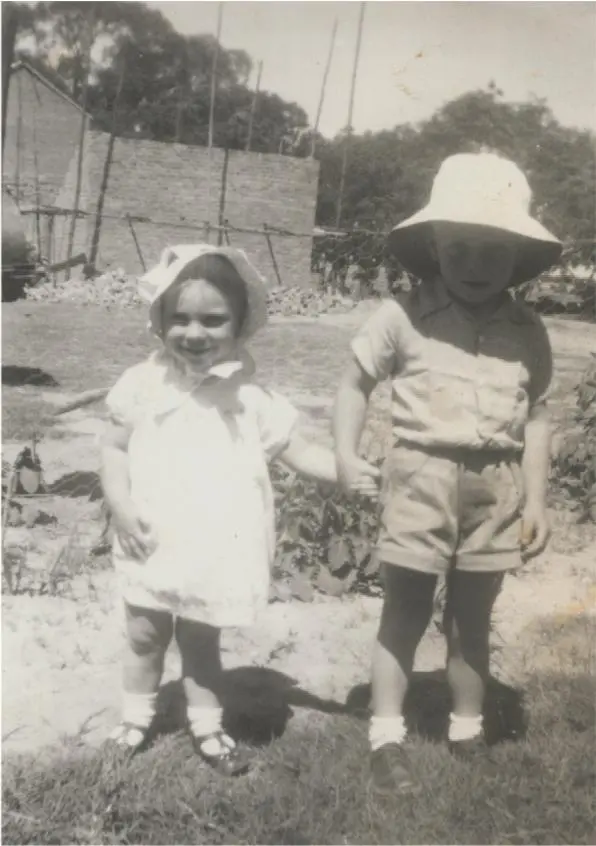
Dad must have been working incredibly hard to make everything work but there were very hard times. Dad built furniture from packing cases and they lived off the land whenever possibe. One day they had no food and went for a walk into the fields where they discovered a feast of mushrooms, enough for a few days. Dad knew which mushrooms were safe.
But he cruel vagaries of the weather brought too much rain one year and the next year too little, so they had to pack up and leave farming.
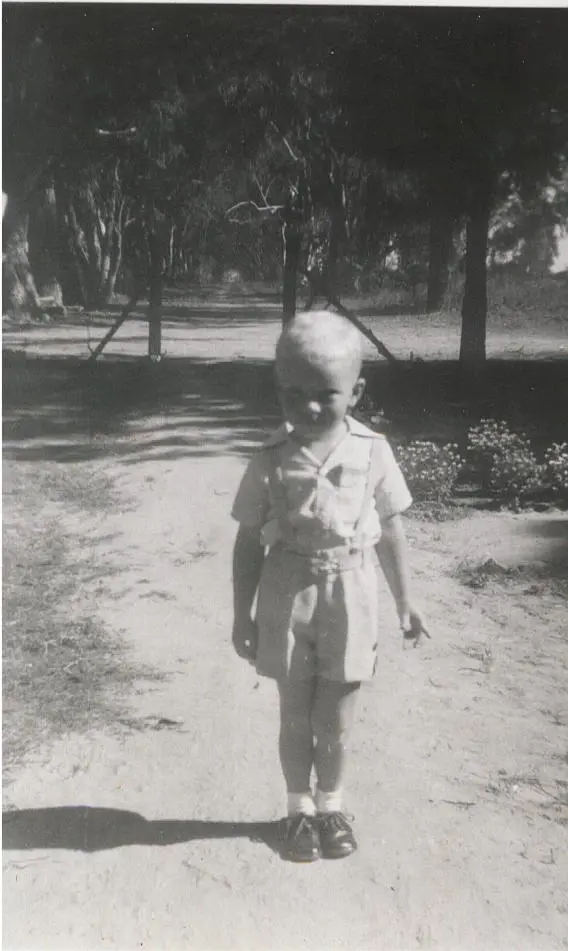
Dad found a job in a a tobacco curing barn. He worked such long hours that Mom told a cute story about those times. Dad had got off early and came to have supper and then dashed away again. With big eyes I said to Mom, "Who dat man Mommy?" We were staying in a flat outside Gwelo and I managed to put a sewing machine needle right through my sister Cathy's finger. I hid under the bed and pretended I wasn't there. Dad was incredibly patient and understanding. Then Dad found a job with Local Government. He was appointed Superintendant of Monomatapo Township. The job was allowed a house right next to the township in Lower Gwelo.
Lower Gwelo
The property was about 5 acres so Dad set about creating a beautiful garden. He decided that the garden was too flat so he built his own pyramid - a raised garden with tiers and he made wonderful lawns - one of them as big as a soccer field. Dad never minded using resources at his disposal so there were tractors and trailers and big mowing machines. I was enrolled at Cecil John Rhodes Primary (CJR) and my poor dad had to drag me crying and protesting to my first day at school.
The Riot and mob
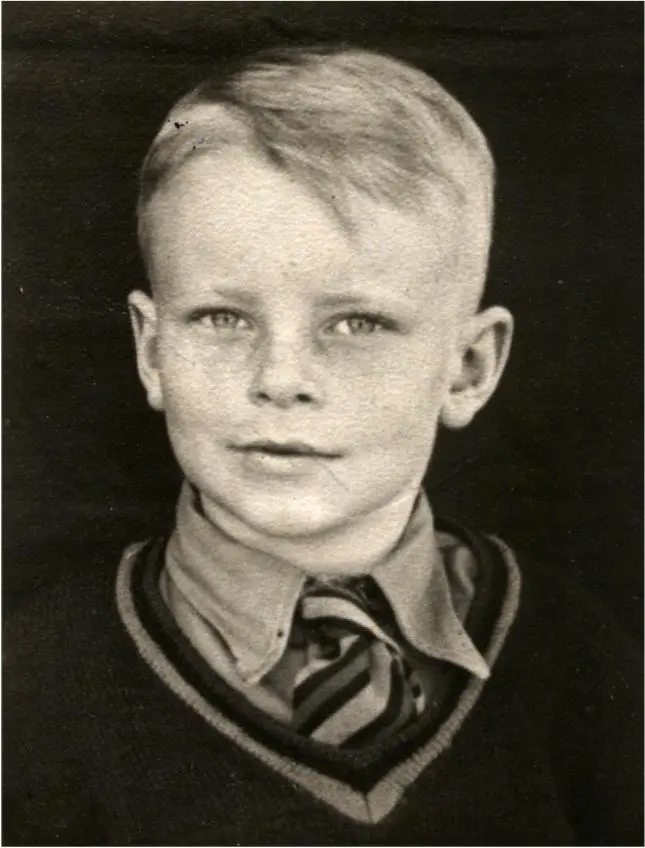
We all settled into an ordered way of life. Cathy was enrolled at CJR and Anthony was born in 1958 and was about 2 years old when our lives were interrupted by catastrophe. A mob invaded our home and burned it down in politically inspired riots. We stayed the night with friends who fortuitously had been having supper with us. after the police phoned to warn us we all clustered in the passageway of the house, the two men holding Dad's shotgun and an old revolver dating back to WW2 while we heard in the distance an unforgettable sound like a sea roaring. Then the police arrived in an armoured car and told us to follow them. I was still wearing my school uniform and we did not pack anything and left in dad's Humber Hawk. In the morning My mom woke me gently with the words, "Honey, our house has burned down." Only later did we visit the ruins, still smoking. The glass in the windows had melted and the wooden floors were ashes. I became preoccupied in finding my marbles but there was no sign of them. My dad returned to work the next day and was besieged by weeping people who said they had been swept along in the crowd and they were so sorry. Dad was not greedy and put in an insurance claim which barely covered the loss. He carried on working as normal.
Living in a pise and Riverside
We moved to a cheaper suburb into a pise house (built during the war from clay and asbestos) Then we moved to two different houses in Riverside and I was moved to Riverside school for a year (Std 3)Dad just kept on working and shielded us kids from any worries. There were some rough kids around. In our first house I was playing on some rocks when a neighbour offered to hit me with his belt. Later, I joined a gang who shot at each other with pellet guns. I came bawling home with a pellet embedded in my leg one day and that might have persuaded the folks to move. We moved to a house directly opposite CJR. I began Std 4 at CJR. Dad bought a baby-grand piano. He played by ear and had always kept a piano even in Burma.
School Avenue
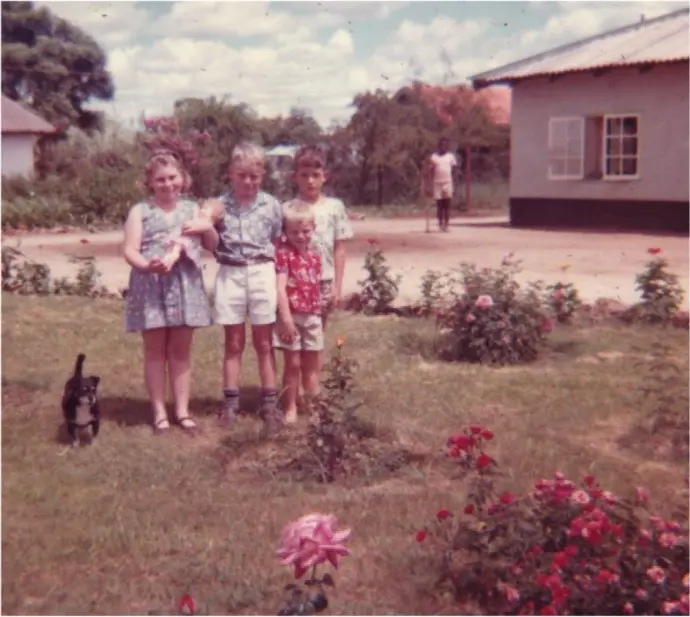
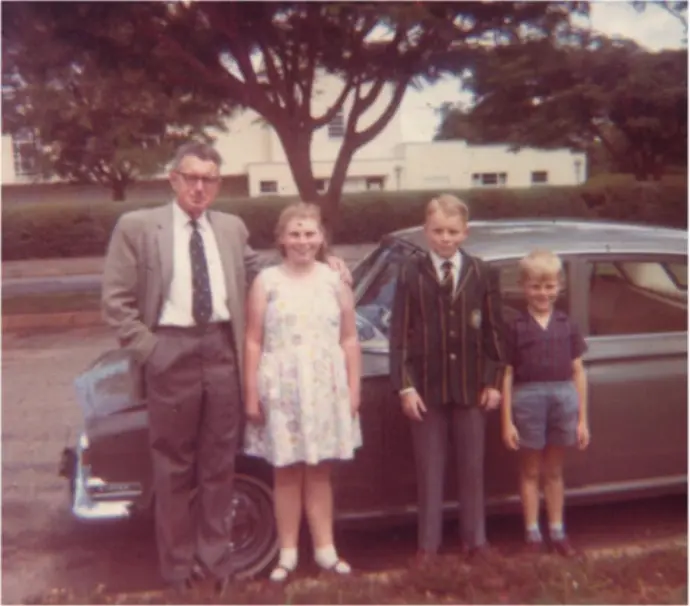
For three years we had a settled and harmonious time where we kids could walk across the road to school. I was a prefect and worked hard. I had many hobbies, including rock collecting and stamps as well as model airplanes. I played cricket every day with friends Clem and Phil. Anthony was getting involved in Cubs and Cathy was very busy at home. Dad was very absorbed in his work, including the plans for a soccer stadium and Olympic size swimming pool. We often went mushroom hunting on the Umvuma road and Mom cooked the mushrooms the size of the frying pan pan
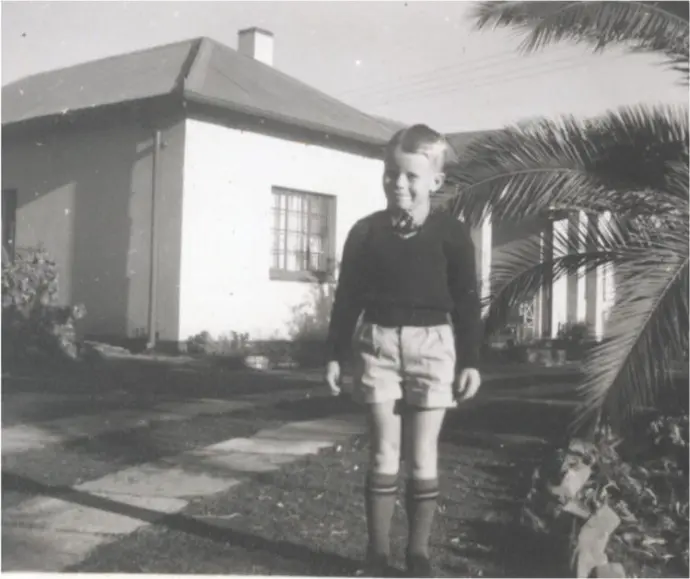
I moved across to high school at Chaplin High School. (that uniform in the picture)
Waterfall/ Parktown Salisbury
My parents never involved us kids in any worries and anxieties so I have no hint as to why Dad decided to move to Salisbury. I had had just started High School, Chaplin High and was settling in nicely when we heard that we were moving. I can only guess that it was a promotion to a larger township. I know dad was always studying. He wanted to finish his degree through UNISA. He majored in English and Archeology. He passed both but in separate years and in those days that was not allowed. We used to find Stone Age tools all over. The Kopje was full of stone age axes.
But we travelled the 300 miles to to Salisbury. I remember a cat in a bird cage on the back seat shitting all over, so we had a merry journey.
We moved to a house in Third Avenue, Parktown in Salisbury and I enrolled at Lord Malvern High School. I could cycle to school. Dad used to join us in playing cricket in the garden as we had a flat driveway. We used a large Gas bottle as a wicket. Dad used to bowl left-handed and bat right handed. I started developing some bowling skills and played U14 and U15 cricket. I also played rugby and during a practice managed to tangle my legs with an opposing centre. There was an almighty crack sound and both bones broke, tibia and fibula - a clean break. It was winter and cold. I kind teacher took me to hospital and I held my leg in the back seat, feeling the bones grating together. My parents had been out and I sat in a lonely and cold corridor waiting for them to arrive. Dad was so calm in a crisis - there was never any fuss. When I arrived home with a plaster from crotch to toes I was given the space to organise myself. Dad uncomplainingly dropped me at school and fetched me. We never heard him complaining and he was always silently doing what needed to be done.
I was in Form 3 at about age 14 when Rhodesia proclaimed UDI (Unilateral Declaration of Independence) on 11 November 1965. The address from Prime Minister Ian Smith was broadcast on the school's PA system. .
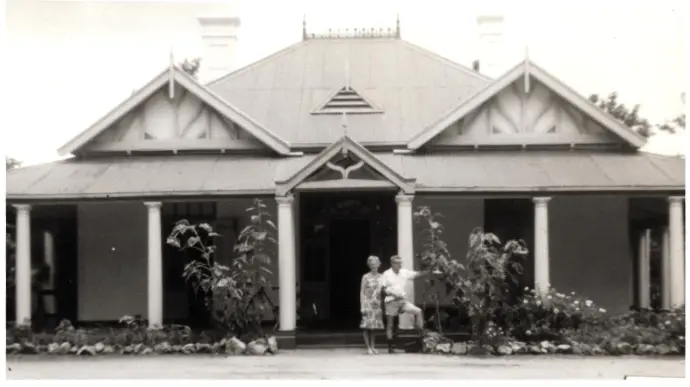
Lawley Road, Bulawayo
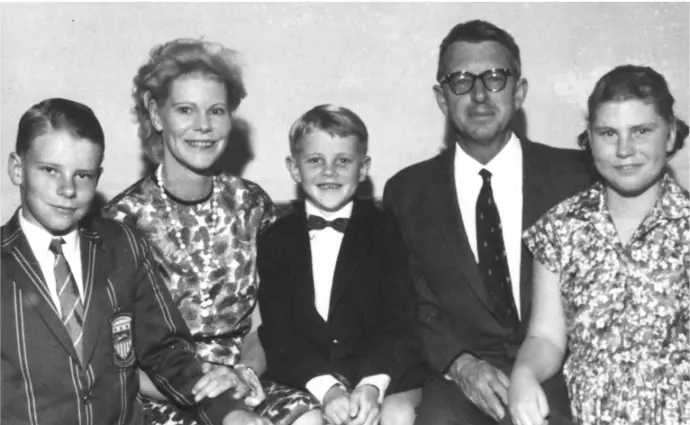
And then Dad broke the news that we were moving to Bulawayo. Again I can only assume the move was a promotion as Dad was appointed Superintendant of Luveve in Bulawayo. As part of the package we were assigned a house in Suburbs. 26 Lawley Road was our new home and we arrived on a cold and blustering winter's day on 6 September 1966. We heard on the car radio while we waited for keys to be brought that Hendrik Verwoerd, President of South Africa had been assassinated in Parliament.
Bulawayo 1966-1976
So we all settled in for the next ten years. I was enrolled at Milton High, Anthony at Milton Junior and Cathy at Eveline. Dad was very energised. He got stuck into his job and developed an amazing garden at our house. He specialised in Mielies at our place - we would often have large succulent mielies.
They were happy and intense times for me as I was heavily involved at school. before writing A Level and leaving to go to University in 1970. I became preoccupied with my new growing family and my first year teaching in 1976.
Dad coped with supporting Mom through her eye operations and other health issues.
Dad was always unconditionally supportive and quietly loving to us all My world view and persona were modelled and shaped by his unspoken example.
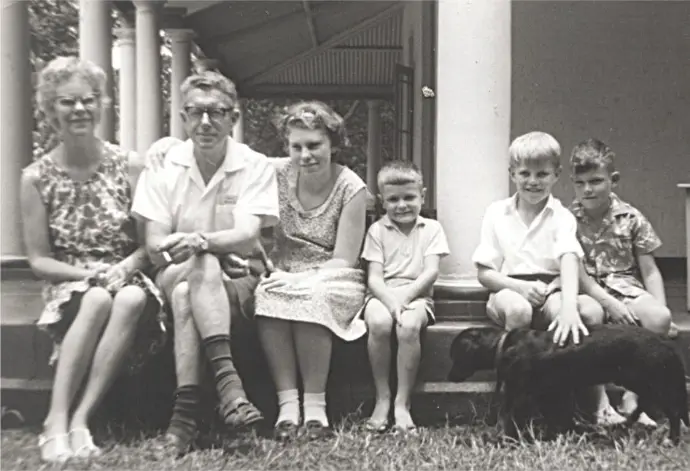
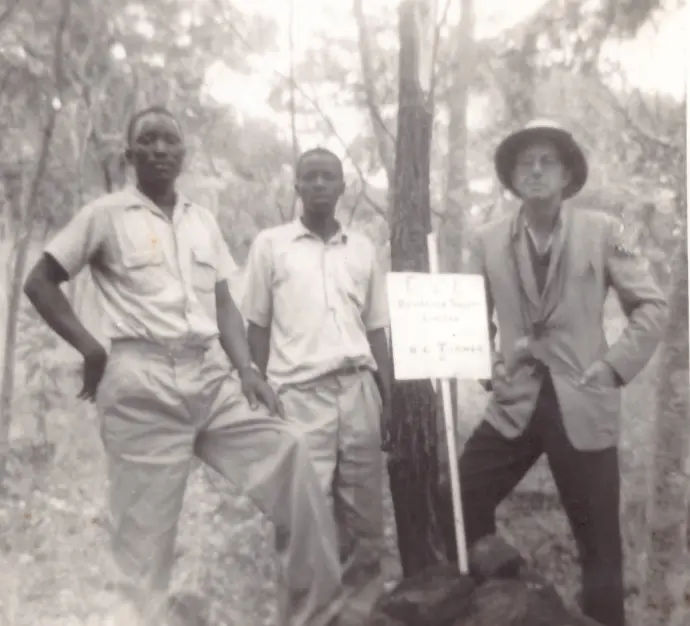
Prospecting
Any account of my dad's life would be incomplete without recounting his love for prospecting. Dad was a veteran part-time prospector. He and his brother, Hugh, started prospecting for gold in the 1930's and my dad seized any opportunity he could to head off to the bush with a gleam in his eye to find his pipe mine. A pipe mine was a mythical gold deposit with solid gold seams. The big lure in Rhodesia were the big ones of gold or emeralds, but in the rich mineral land there were many other valuables, waiting to be found.
The regulations stipulated that anyone could buy a prospectors license for a fairly nominal amount. This entitled you to ask for permission to look for any mineral on any farm which could not be reasonably witheld. If you dug a hole then it had to be fenced and eventually filled in. You were entitled to stake a claim which was about 100 meters by 30 meters and each claim had to be documented with a map and compass directions, which was placed on a pole inside a plastic covering. The claim was then registered at the central office. Once the claim was registered you were allowed to work the claim and extract the material. The only minerals which were rigidly monitored were gold and emeralds which had to be declared to the government and handed over.
So Dad and I often set off into the bush to outlandish places like Buhera and Tel El Kibr in the middle of nowhere. Dad did not worry about tents or anything fancy - we just had our sleeping bags and would fall asleep next to a fire. We usually had two guys with us. Often they would be cutting a road in front of us as Dad steered with a compass and map and did not need an official road!
I have so many memories of the trips into the bush. The Vauxhall Victor - an ordinary sedan was taken into all-terrain territory. Fortunately the land was often flat and if traversed at walking speed most obstacles could be surmounted.
Dad had a few informants who would pass on the info and off we would go leaving my long suffering mom to stay at home and worry. We were often in very remote places with no way of summoning help if anything had gone wrong. Once we saw a huge mamba surfing through the long grass close to us and it did occur to me that I would have to drive out of there if necessary. I had been driving since the age of 12 but it could have been a challenge! We did find an outcrop of biotite once with some small beryl crystals which become emeralds. On one of the gold-seeking trips dad found in a small cave an old pot with some soil and blue Phoenician beads. His love of archaeology
kicked in and he decided to take the pot home. Our cook, James, took one look at the pot and rushed outside, saying he would not return. So Dad put the pot outside and James came back
Memories of those trips into the bush are precious and I treasure them.
Farewell
So Dad enjoyed a happy and stable 10 years in 26 Lawley Road. Anthony grew into a tall strong young man and Mom and Cathy busied themselves at home.
On that fateful day he dressed in his suit to attend a funeral. My mother received that phone call. He was gone from this world..