Nugget01
Prospecting
Wonderful world
Timeframe: 1967 - 16 years old
Place Zimbabwe bush about 50 km north of Beit Bridge
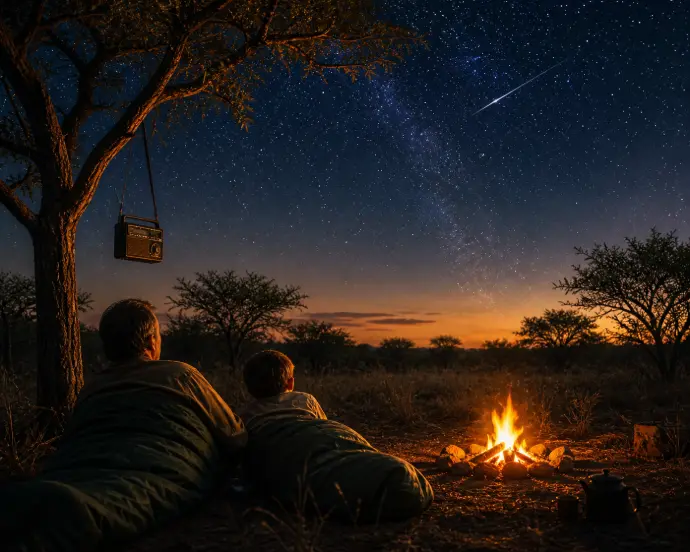
Lying snug-warm drowsy in a sleeping bag close to the fire after a long tiring day tramping through the bush, Dad hung the transistor radio on a tree. In the canopy of stars a shooting star traced across the sky and as we softly exclaimed about it, Louis Armstrong sang "What a Wonderful World"
Dad was not a talker but there was no need to say anything..
Prospecting in Zimbabwe
My dad was a part-time prospector in the wonderfully rich land of Zimbabwe. He and his brother began searching in their youth for that elusive pipe mine - gold and emeralds were the ultimate dream. But there were many other treasures in the ground.
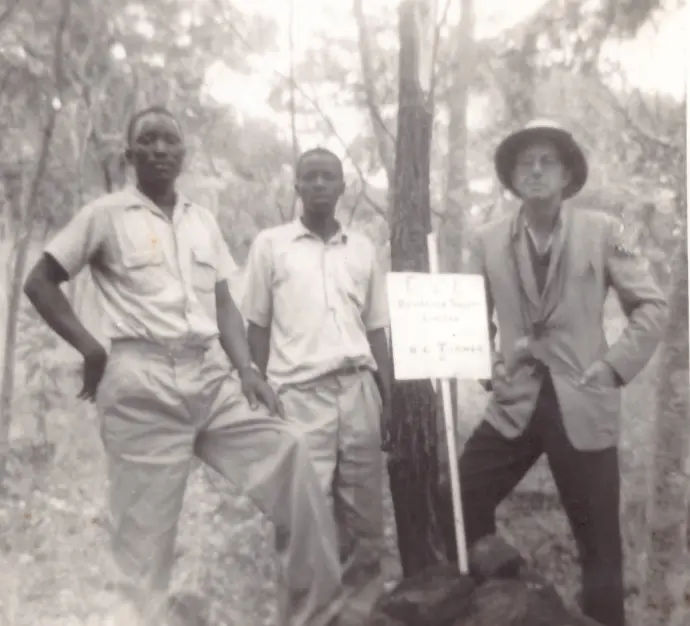
Dad paid for a prospecting license which allowed him to enter any farmland and look for minerals. There was a protocol in that you had to inform the farmer of your intentions and ask his permission which could not be unreasonably refused. If you dug into the ground and then left you had to fill in the trenches. If you found any one of the hundreds of possible treasures you had to stake your claim by precisely indicating exactly where it was with a metal plate embossed with the claim name. Those posts had to be 100 yards apart and the certificate had to be displayed anywhere in the claim.
Dad was very proficient with mapwork aided by his trusty army compass and land survey map. Then the claim had to be registered on returning to the city and renewed with a fee every year.
I accompanied Dad on many trips. We would set off into the depths of Zimbabwe. We explored all over into very remote places like Buhera and Tel El Kibr. My poor mother stayed at home and worried. There were no cell phones! The trips I remember were from the age of 11 in 1962 until about 1969 when I was 18. My dad would develop that gleam in his eyes every month and we would prepare for the next trip.
Dad spoke very fluent Shona and Ndebele and he was often informed of treasures in the bush. On at least one occasion he suspected that the samples he was shown were planted - seeded
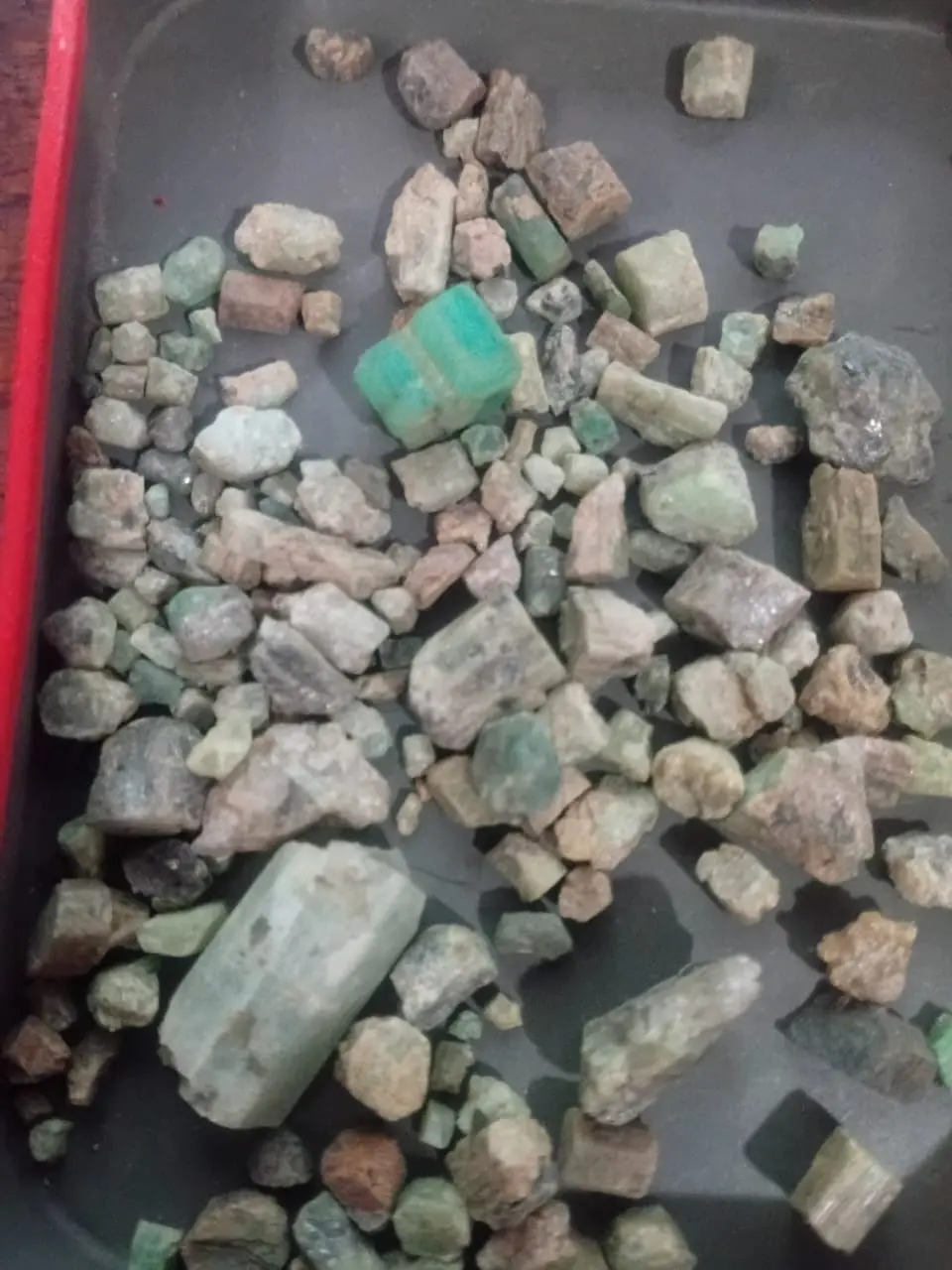
Emeralds
The closest we came to finding emeralds were these beryllium crystals. They were nowhere near gem quality, unlike the legendary Sandawana emeralds.
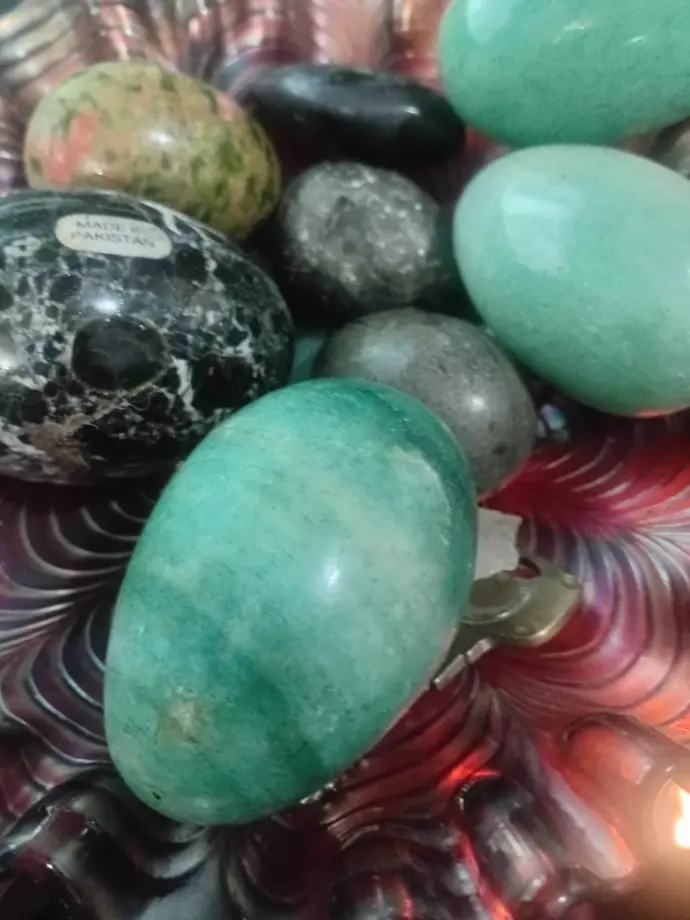
Semi-precious
Dad's persistence paid off when he started mining Aventurine which is a green quartzite (the light green in the picture).
He called the claim "Jopempi"and extracted quite a few tons. We trampd around in that bush many times. It was humid and hot, specialising in the Mopani fly - a small lazy fly which loved to cluster on a sweaty face and crawl into ears.
There is a large hill calleed Mount Mujaji in the area which one may never point at for fear of a terrible calamity.
.
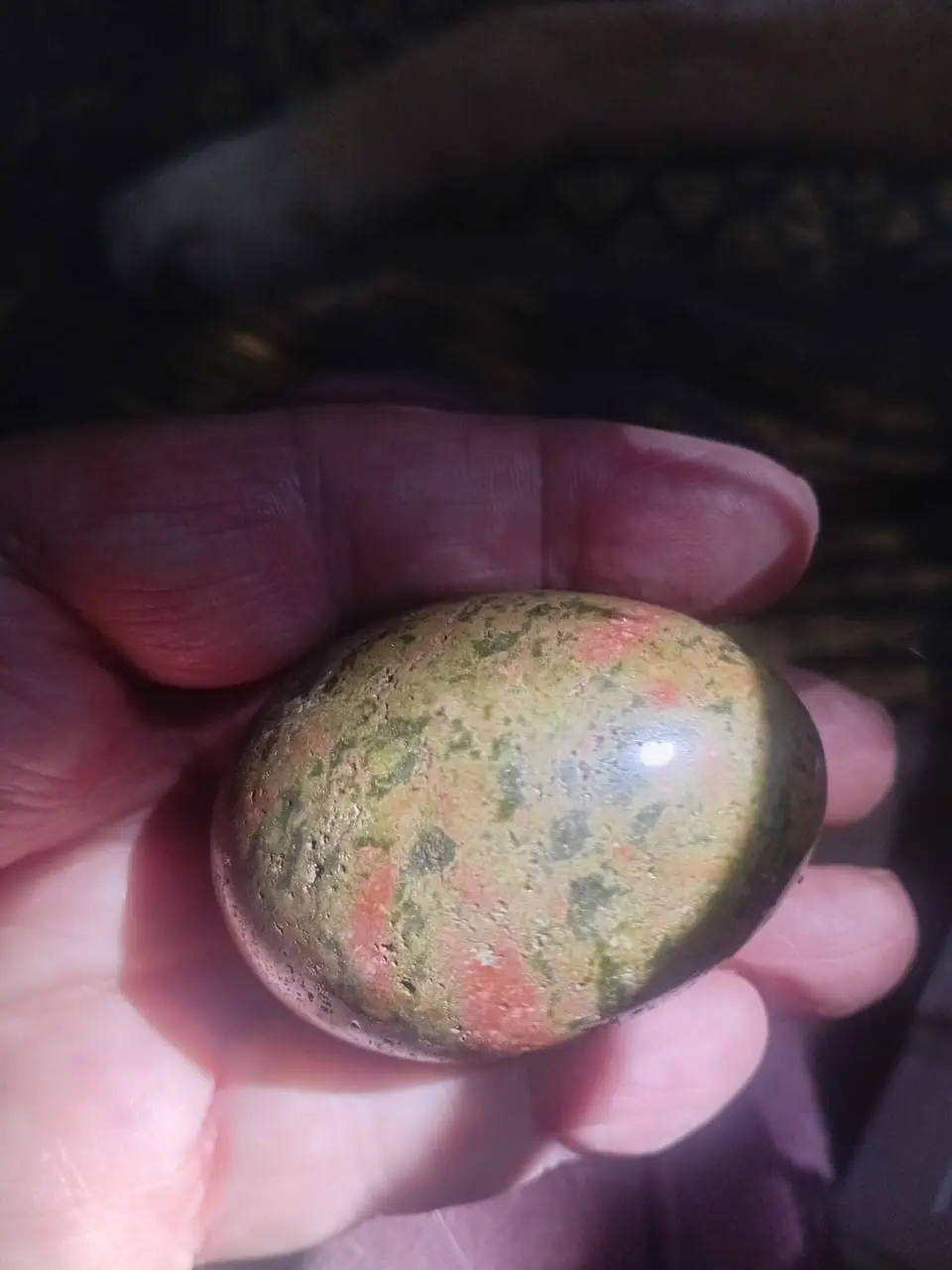
Unakite from Musina
Dad was beginning to work this claim near Musina when he died suddenly in 1976
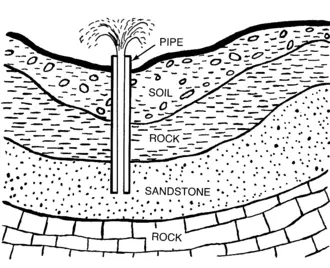
Buhera Artesian well
One of the interesting trips involved an artesian well in the Buhera district. The government had drilled a massive borehole for the people which turned out to be unfortunately undrinkable. It had been gushing out for more than 10 years. Dad with his fluent grasp of Shona had long discussions with the local chief and was given permission to prospect. The water was filled with chemicals which had dried into a immense salt pan glittering white in the sun. Only tough horny grass grew in the salt pans and the cattle refused to drink the water. Dad had the idea of selling the water as a health drink. But he sent a sample to be analysed in Johannesburg which returned as being unsuitable for human consumption - not poisonous but also not healthy. Dad was dashed for a while but the gleam returned to his eyes soon after.
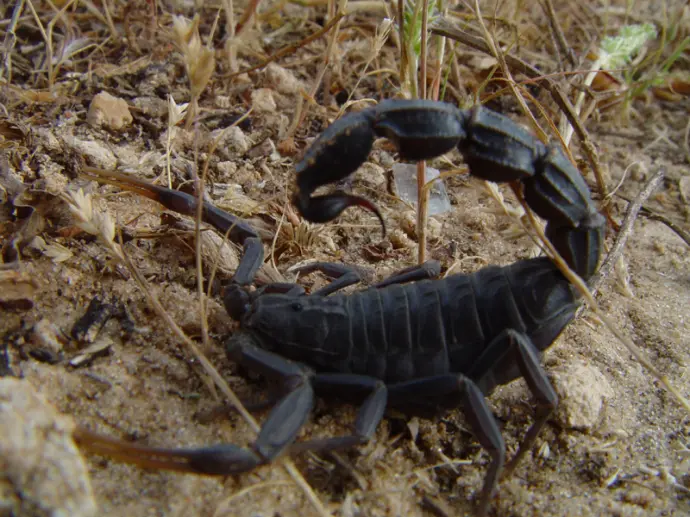
The Buhera Scorpions
On the trip to Behera we had to find some boulders to make a cairn for the claim pole to be displayed and underneath every rock there were huge black scorpions. We learned to be quite adept at lifting the rock very carefully! I kept a scorpion in a jar to frighten everyone at home.
The gold nugget and bad luck
One of my earliest prospecting trips was to an area close to Mvuma in Zimbabwe. It was 1959 so I was about 8 years old,. My uncle Hugh and his wife Aunt Alice, a formidable woman who always had a drawing-room presence, had camped for a few weeks at a prospecting site looking for gold. They had an army-style canvas tent and were well established. Close to the tent was a large granite Kopje. The granite had been eroded and was called decomposed granite which was pocked with erosion cavities. And in one of those cavities was a large gold nugget.
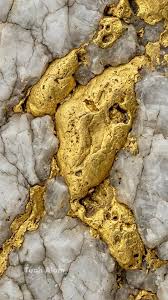
My uncle prised the nugget of gold out of the rock - it was bigger than a thumb and gave it to Dad.
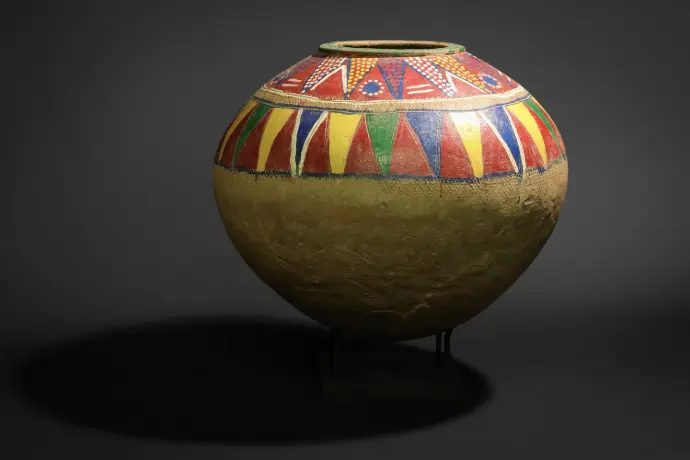
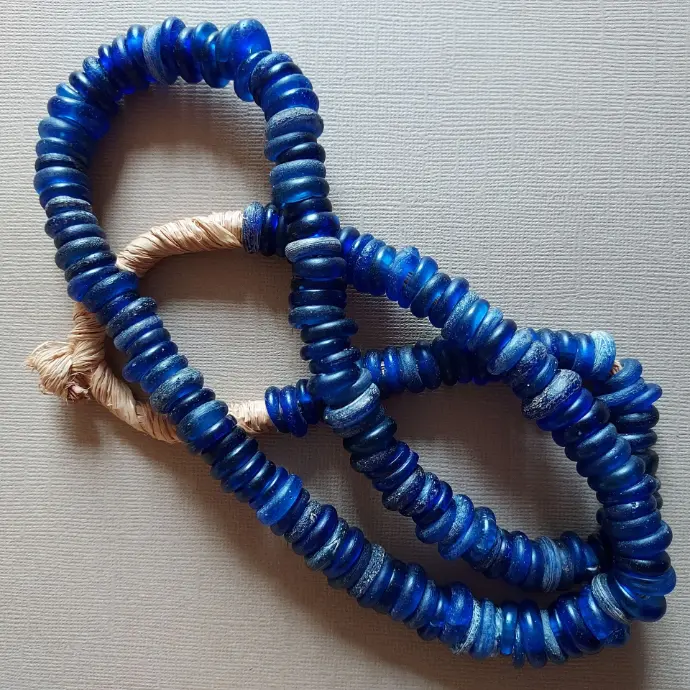
I followed Dad on an exploratory hike up the steep granite. At the top of the smooth incline we found a shelter in between two large rocks. And in the shelter was an earthenware pot with a painted chevron design on it. Dad had many studies of African culture and archaeology in his experience but when he felt inside the pot and found amongst the earth in there, he discovered Phoenician trading beads (I found a photo of similar beads illustrated below), he was very excited, so he took the pot home
When we arrived home our cook, James, who was from Malawi, took one look at the pot and rushed outside, shaking with fear. He refused to return until the pot was put outside. A few weeks later our house was burned to the ground in a political riot. (I will write about that in a separate post).
After the fire my dad searched for the gold nugget in vain. Even if the house had not been looted that was an optimistic hope as the fire had burned so hot that the glass in the windows had melted into interesting shapes.